


A portable concrete pump remains sturdy enough to handle 3 to 6 cubic yards of wet concrete per hour for small jobs. However, materials must be durable enough to handle heavy fluids for long periods of time. A concrete pump requires three basic components to make the contraption work properly.
[caption id="attachment_334" align="alignnone" width="435"]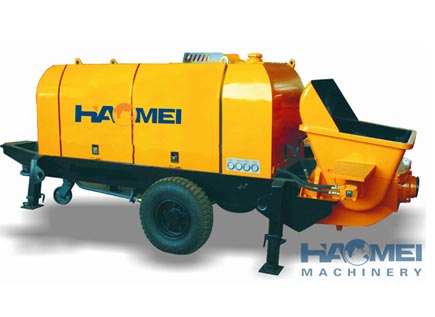 trailer concrete pump[/caption]
Build the Hopper
The hopper contains wet ready-mix concrete for distribution. The trapezoidal shape appears wide at the top and narrow toward the bottom so precise amounts of concrete move into the pump area. Purchase sheet metal to cut into four sides and a bottom. The vertical height of each piece should be no more than 30 inches tall for easy access. Toward the bottom of one trapezoidal piece, cut out a 2-inch hole for round metal tubing.
Weld the five pieces together with an acetylene torch. The four main edges should slant downward and inward toward a point. The smallest rectangular piece forms the bottom of the hopper to keep the concrete in place as the pump works.
Add Tubing and Braces
Weld 1 1/2-inch round steel tubing to the hole at the bottom of the hopper. The straight piece runs 6 to 10 inches to the next part of the machinery.
Brace the four corners of the pump with simple lengths of steel welded to 1-inch aluminum I-beams. The I-beams serve as a frame for the hopper and pumping mechanism, so cut your I-beams approximately 5 feet long. Cut transverse I-beams to support the ends, hopper, and pumping mechanism.
Connect the Pump
A twin-cylinder hydraulic pump, or a positive displacement pump, moves the concrete using the action of two pistons. One cylinder draws in concrete from the hopper on the return stroke, while a second cylinder pushes the mixture into the tube on the forward stroke. Pistons move in opposite directions to maintain constant pressure and continuous flow on the line.
A positive displacement pump has an inlet hole and an outlet hole. The inlet connects to your hopper tube, while the outlet displaces the concrete to its destination. Make sure your pump has a meter that shows the pressure within the mechanism.
Add a Power Source
Your displacement pump needs a power source. A gas-powered engine usually does the trick due to its portability and longevity. A 5-gallon tank lasts eight hours for concrete jobs that may take all day.
Mount the engine and hydraulic concrete pump onto your I-beam aluminum frame. You can either weld these items permanently to the assembly or fasten them with metal brackets. Connect the engine to the hydraulic pump. Lift this contraption with a few buddies, and put it on a trailer. You can also use a small forklift or a wheeled cart to move the pump if you don't have enough manpower on site.
Connect the Hose
Purchase a heavy-duty concrete hose for the concrete pump. The hose is thick enough to handle the load yet light enough to move around as you distribute material.
Connect the hose with hose clamps to secure the area. Otherwise, concrete may spill out of the assembly before reaching the desired distribution point.
trailer concrete pump[/caption]
Build the Hopper
The hopper contains wet ready-mix concrete for distribution. The trapezoidal shape appears wide at the top and narrow toward the bottom so precise amounts of concrete move into the pump area. Purchase sheet metal to cut into four sides and a bottom. The vertical height of each piece should be no more than 30 inches tall for easy access. Toward the bottom of one trapezoidal piece, cut out a 2-inch hole for round metal tubing.
Weld the five pieces together with an acetylene torch. The four main edges should slant downward and inward toward a point. The smallest rectangular piece forms the bottom of the hopper to keep the concrete in place as the pump works.
Add Tubing and Braces
Weld 1 1/2-inch round steel tubing to the hole at the bottom of the hopper. The straight piece runs 6 to 10 inches to the next part of the machinery.
Brace the four corners of the pump with simple lengths of steel welded to 1-inch aluminum I-beams. The I-beams serve as a frame for the hopper and pumping mechanism, so cut your I-beams approximately 5 feet long. Cut transverse I-beams to support the ends, hopper, and pumping mechanism.
Connect the Pump
A twin-cylinder hydraulic pump, or a positive displacement pump, moves the concrete using the action of two pistons. One cylinder draws in concrete from the hopper on the return stroke, while a second cylinder pushes the mixture into the tube on the forward stroke. Pistons move in opposite directions to maintain constant pressure and continuous flow on the line.
A positive displacement pump has an inlet hole and an outlet hole. The inlet connects to your hopper tube, while the outlet displaces the concrete to its destination. Make sure your pump has a meter that shows the pressure within the mechanism.
Add a Power Source
Your displacement pump needs a power source. A gas-powered engine usually does the trick due to its portability and longevity. A 5-gallon tank lasts eight hours for concrete jobs that may take all day.
Mount the engine and hydraulic concrete pump onto your I-beam aluminum frame. You can either weld these items permanently to the assembly or fasten them with metal brackets. Connect the engine to the hydraulic pump. Lift this contraption with a few buddies, and put it on a trailer. You can also use a small forklift or a wheeled cart to move the pump if you don't have enough manpower on site.
Connect the Hose
Purchase a heavy-duty concrete hose for the concrete pump. The hose is thick enough to handle the load yet light enough to move around as you distribute material.
Connect the hose with hose clamps to secure the area. Otherwise, concrete may spill out of the assembly before reaching the desired distribution point.
trailer concrete pump[/caption]
Build the Hopper
The hopper contains wet ready-mix concrete for distribution. The trapezoidal shape appears wide at the top and narrow toward the bottom so precise amounts of concrete move into the pump area. Purchase sheet metal to cut into four sides and a bottom. The vertical height of each piece should be no more than 30 inches tall for easy access. Toward the bottom of one trapezoidal piece, cut out a 2-inch hole for round metal tubing.
Weld the five pieces together with an acetylene torch. The four main edges should slant downward and inward toward a point. The smallest rectangular piece forms the bottom of the hopper to keep the concrete in place as the pump works.
Add Tubing and Braces
Weld 1 1/2-inch round steel tubing to the hole at the bottom of the hopper. The straight piece runs 6 to 10 inches to the next part of the machinery.
Brace the four corners of the pump with simple lengths of steel welded to 1-inch aluminum I-beams. The I-beams serve as a frame for the hopper and pumping mechanism, so cut your I-beams approximately 5 feet long. Cut transverse I-beams to support the ends, hopper, and pumping mechanism.
Connect the Pump
A twin-cylinder hydraulic pump, or a positive displacement pump, moves the concrete using the action of two pistons. One cylinder draws in concrete from the hopper on the return stroke, while a second cylinder pushes the mixture into the tube on the forward stroke. Pistons move in opposite directions to maintain constant pressure and continuous flow on the line.
A positive displacement pump has an inlet hole and an outlet hole. The inlet connects to your hopper tube, while the outlet displaces the concrete to its destination. Make sure your pump has a meter that shows the pressure within the mechanism.
Add a Power Source
Your displacement pump needs a power source. A gas-powered engine usually does the trick due to its portability and longevity. A 5-gallon tank lasts eight hours for concrete jobs that may take all day.
Mount the engine and hydraulic concrete pump onto your I-beam aluminum frame. You can either weld these items permanently to the assembly or fasten them with metal brackets. Connect the engine to the hydraulic pump. Lift this contraption with a few buddies, and put it on a trailer. You can also use a small forklift or a wheeled cart to move the pump if you don't have enough manpower on site.
Connect the Hose
Purchase a heavy-duty concrete hose for the concrete pump. The hose is thick enough to handle the load yet light enough to move around as you distribute material.
Connect the hose with hose clamps to secure the area. Otherwise, concrete may spill out of the assembly before reaching the desired distribution point.
“Do you see over yonder, friend Sancho, thirty or forty hulking giants? I intend to do battle with them and slay them.”
— Don Quixote





leave a comment